 Guillaume Potard
The Task
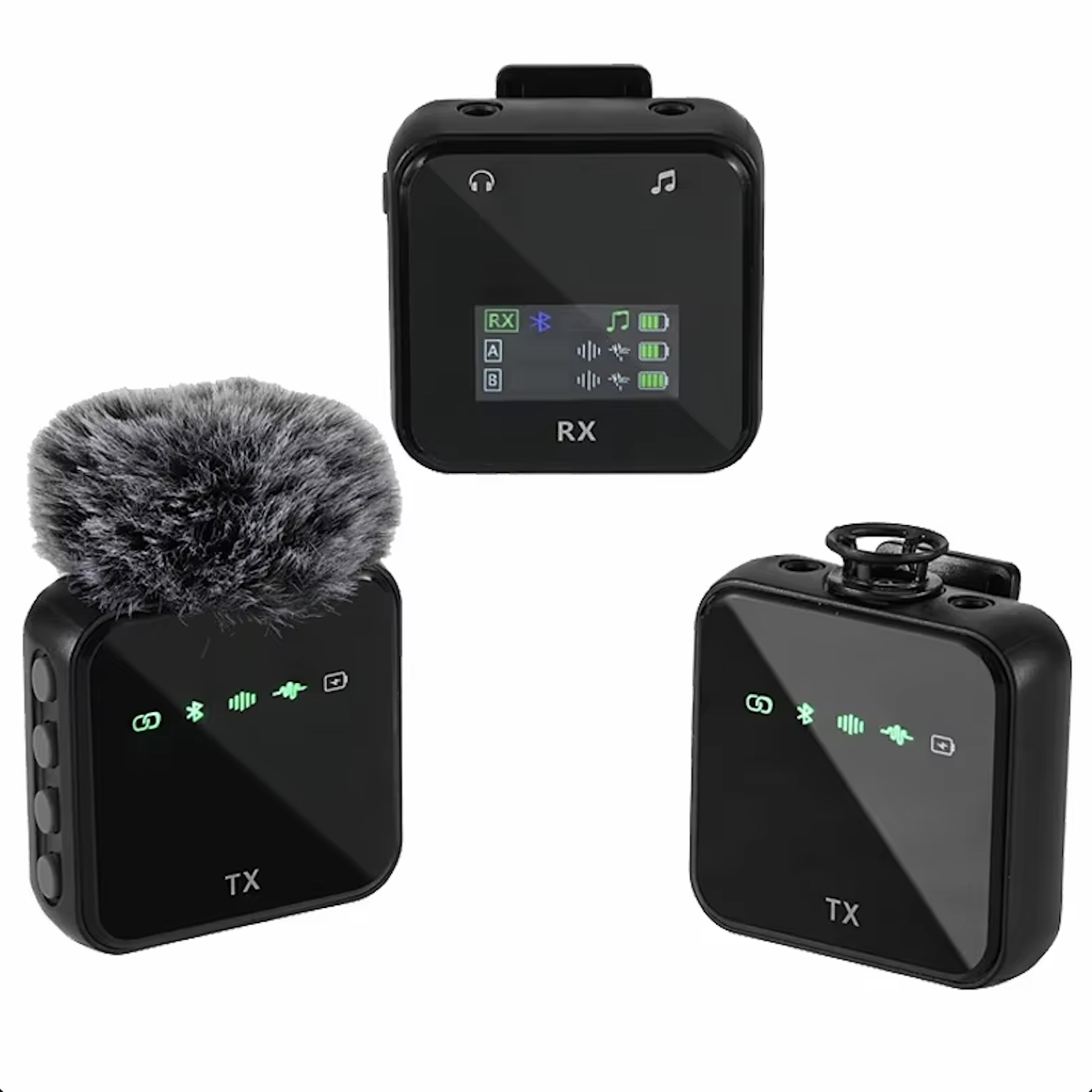
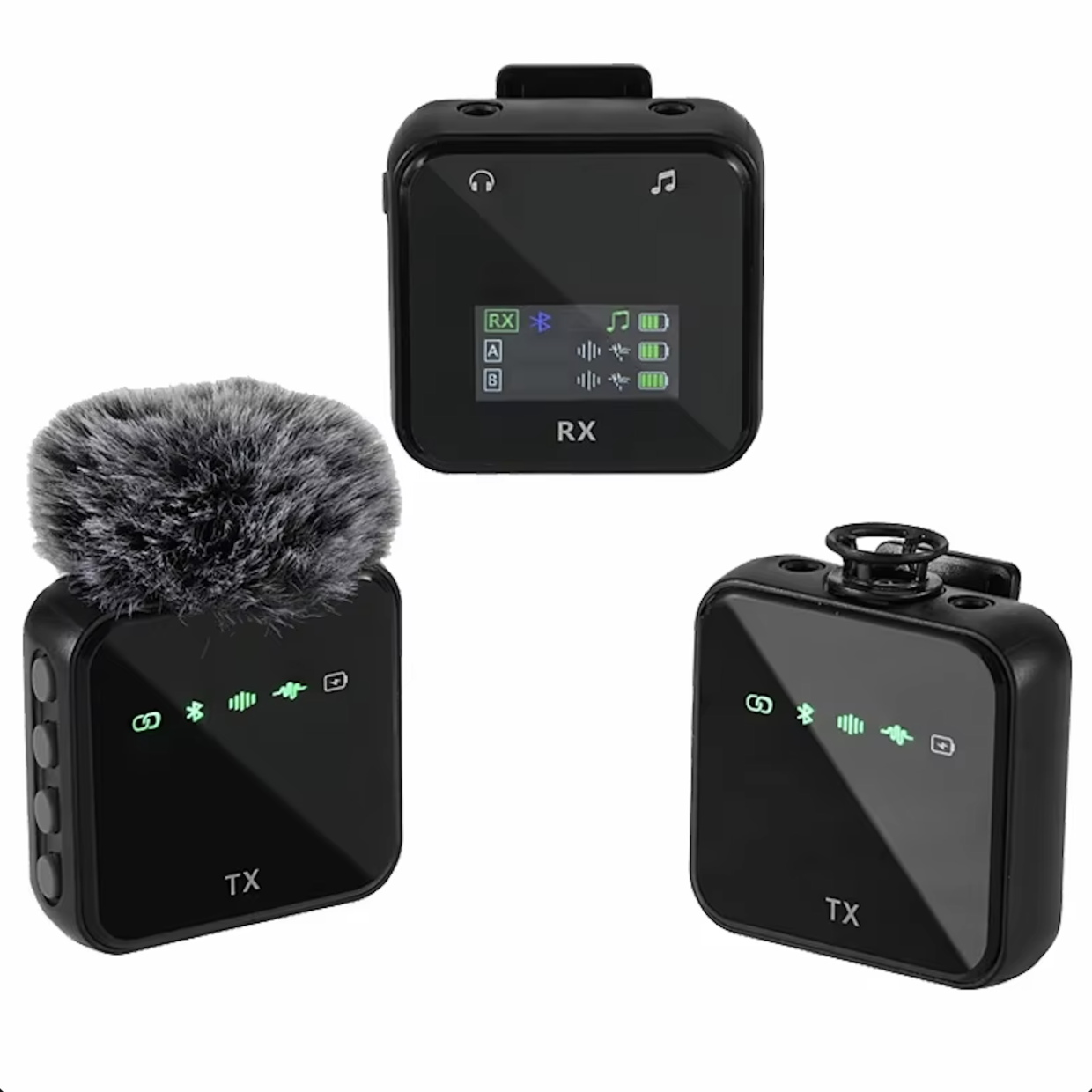
Our client wanted to bring AI-powered noise suppression to their portable Bluetooth microphone. The goal was an algorithm compact enough to run on the device itself, extracting clean speech from very noisy environments with both stationary noise (hum, fans, traffic) and non-stationary noise (barking dogs, crying babies, clattering dishes).
The Challenges
- Tight hardware limits: The algorithm had to process full-band 48 kHz audio in real time on an ARM Cortex-M33, using less than 1 MB of memory and under 100 MHz of CPU.
- No off-the-shelf runtime: Standard inference engines such as ONNX Runtime, TensorFlow Lite and ExecuTorch were too heavy for the target, so we built a custom, compact inference engine in C.
- Battery life: Every cycle counts on a battery-powered device, so the model and engine had to be efficient enough not to noticeably shorten runtime.
How We Helped
- End-to-end model development: We designed and trained a tiny noise suppression model from scratch, with fewer than 30,000 parameters quantized to 8 bits. The work covered data collection, a custom Python training framework, and an embedded C inference engine optimized for the Cortex-M33.
- Demonstrating the difference: We produced audio demos across a range of real-world scenarios, comparing our AI denoiser directly against traditional DSP-based noise suppression.
The Results
The final solution runs in real time at 48 kHz using just 300 kB of memory at 60 MHz. That is well inside the 1 MB and 100 MHz budget, which leaves headroom for the rest of the device’s firmware. The client now ships AI speech denoising on a portable, battery-powered microphone. Unlike traditional DSP methods, our model suppresses sudden, non-stationary noises such as a dog barking or a baby crying while keeping speech natural and clear.
The architecture is also reusable. It can be retrained for other audio tasks, including speech enhancement, dynamics processing and automatic levelling, which gives the client a foundation for future features.